
Cybersecurity Awareness for Seniors: Protecting Your Digital Life
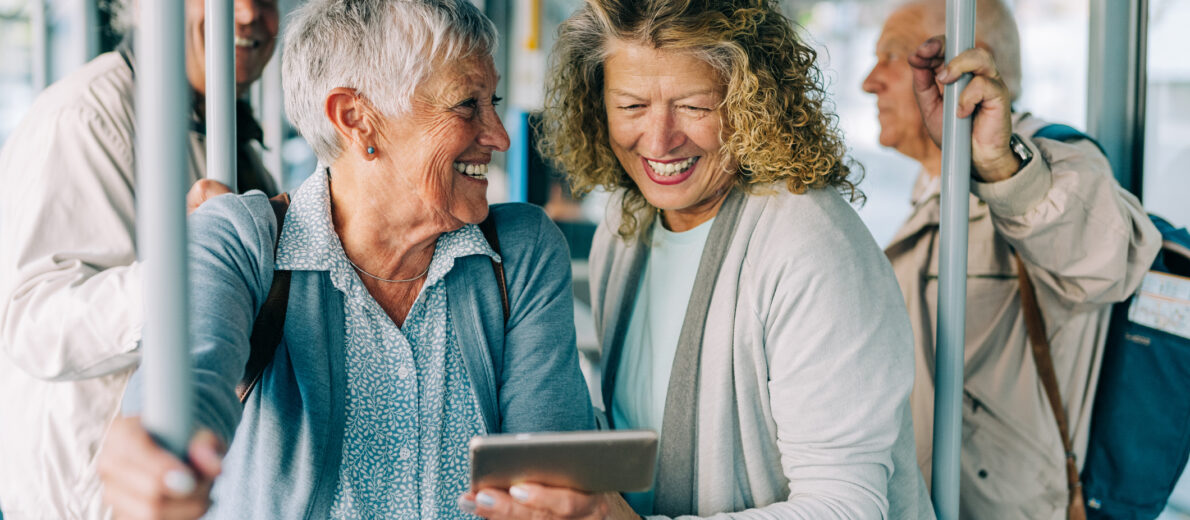
Technology can be a great way to connect with your loved ones and the world around you. From sharing photos to shopping, computers can make everyday life easier – and more fun! The trick is to get the benefits you love from your electronic devices and avoid the risks.
In October, we celebrate Cybersecurity Awareness Month – a time to raise awareness about the threats we all face while using our tablets, computers, and smartphones.
The sad truth is that seniors can be a target of many online scams. If you are an older adult, fraudsters may think you have more money in the bank. Or they may think you won’t report them. Knowing what to watch out for can make a difference. Here are facts and tips you should know.
Online scams involving seniors
Hackers and scam artists can try to target you online in different ways. Some examples may include the following:
-
-
- Pop-up messages saying that your computer is infected and needs to be repaired right away.
- Emails that claim to be from a bank, Medicare, or other organization asking for your personal information.
- Lottery scams that say you’ve won a prize or free gift.
-
How do online scams work?
Not all scams are the same, but many can fall into one or more of the following categories:
-
-
- Phishing. Phishing is an email scam where criminals try to trick you into giving away money or your personal information by pretending to be someone they’re not. To protect yourself, don’t give your personal or financial information to people you don’t know.
- Malware. Malware is a type of software used by scammers to infect your device. They may use it to steal information like passwords and access your personal information. Beware – you may install malware on your device unknowingly by opening malicious attachments. Therefore, don’t open any attachments from a sender you don’t know. Also, don’t respond to emails from unknown senders.
- Ransomware. Ransomware is a type of malware that can keep you from accessing your device unless you pay a fee, or ransom. Criminals may use it to scam a business or organization.
- Password scams and account takeovers. Sometimes, criminals may try to figure out your passwords and get into your bank account, email, social media, or other accounts.
-
How can you protect yourself?
-
-
- Use strong passwords. While it can be tempting to reuse the same password, try to avoid doing this. If a repeat password gets compromised, it can put more of your accounts at risk. The Department of Homeland Security (DHS) recommends that you choose a password that means something to you with at least eight characters, including a mix of numbers, letters, and symbols. You may also consider using a password app to create and store secure passwords.
-
Views differ on how often to change your passwords. Some people advise to change them routinely. Others say to change them only if they are compromised. Making sure your passwords are strong is key.
-
-
- Recognize and avoid scams. You’re already doing one of the most important things by learning about fraud! As noted, some common signs of scams may include:
-
-
- Urgent or emotional requests
- Requests to send personal and financial information
- Suspicious attachments
- Generic greetings (e.g., Hi Dear)
-
-
- Keep your device’s security software up to date and enable two-factor authentication. Two-factor (or two-step) authentication requires an additional step – beyond a password – to access your accounts such as your email, social media, and bank account. For example, you may also need to provide a passcode that is sent to your email or smartphone. This can add an extra layer of protection so it’s harder for scammers to break in.
- Recognize and avoid scams. You’re already doing one of the most important things by learning about fraud! As noted, some common signs of scams may include:
-
Many accounts offer an option to enable two-factor authentication. If you need help with this, ask a relative, friend, or a member of your senior housing community if you live in a senior independent living community or assisted living.
More cybersecurity tips for seniors
-
-
- Check your online locks. When you’re online, scroll to the address bar at the top of the page. Do you see a lock symbol to the left of the website address? And does the web address start with “https”? These show that your connection is encrypted, which is a good thing. The “s” in “https” stands for “secure.” (You may need to click on the address bar to see the full website address.)
- Consider using credit cards instead of debit cards. When shopping online, credit cards may offer better fraud protection than debit cards. This may help you avoid losing money if a scammer steals your card.
- Beware of red flags. Any request for personal information like your bank account number, social security number, or birth date is a red flag. Don’t provide this kind of information to unknown sources.
- Monitor your financial accounts regularly. Alert your bank or financial institution right away if you notice anything that doesn’t look right.
-
What if you think you’ve been scammed?
Getting scammed can be a terrible feeling, but don’t be hard on yourself or feel embarrassed. If this happens, it’s important to take steps to protect yourself, such as contacting your bank and changing your passwords. Tell a family member or trusted person if you need help.
Also, be sure to report any issues. You can report a scam to:
-
-
- Your local police department
- The National Elder Fraud Hotline at 833–372–8311
- The attorney general of your state or territory
- The Federal Trade Commission (FTC)
-
Stay connected – and spread the word about cybersafety
Taking steps to protect yourself online can give you extra peace of mind as you enjoy the benefits of technology. Also, you can help to create a safer online community by sharing cybersecurity tips with friends and family members.
In addition to staying connected online, it can be important to maintain in-person relationships. Studies have shown that social connections can help prevent loneliness and support overall health as you get older. Retirement living communities can offer a way to bond and enjoy time with others.
If you’re interested in a Seattle retirement community, we invite you to learn more about Era Living. Our senior housing options include:
-
-
- Independent living for seniors
- Assisted living
- Memory care
-
Related Posts

Reading for Seniors: How Books Enrich Life in Retirement Living Communities

A New Era: Introducing Era Living’s New CEO
